Our approach to care

Same problem. Smaller way in.

Almost everything we treat has a surgical answer somewhere. We work the other way around: reach the problem through a pinhole or an injection instead of an incision, treat it from the inside, and send you home the same day. Everything that follows from that — recovery in days rather than months, fewer of the risks that come with an operation, a day that doesn’t involve a hospital, and nothing that takes your other options away — is the point of the approach.

Covered by most insurance No referral needed for your initial consultation

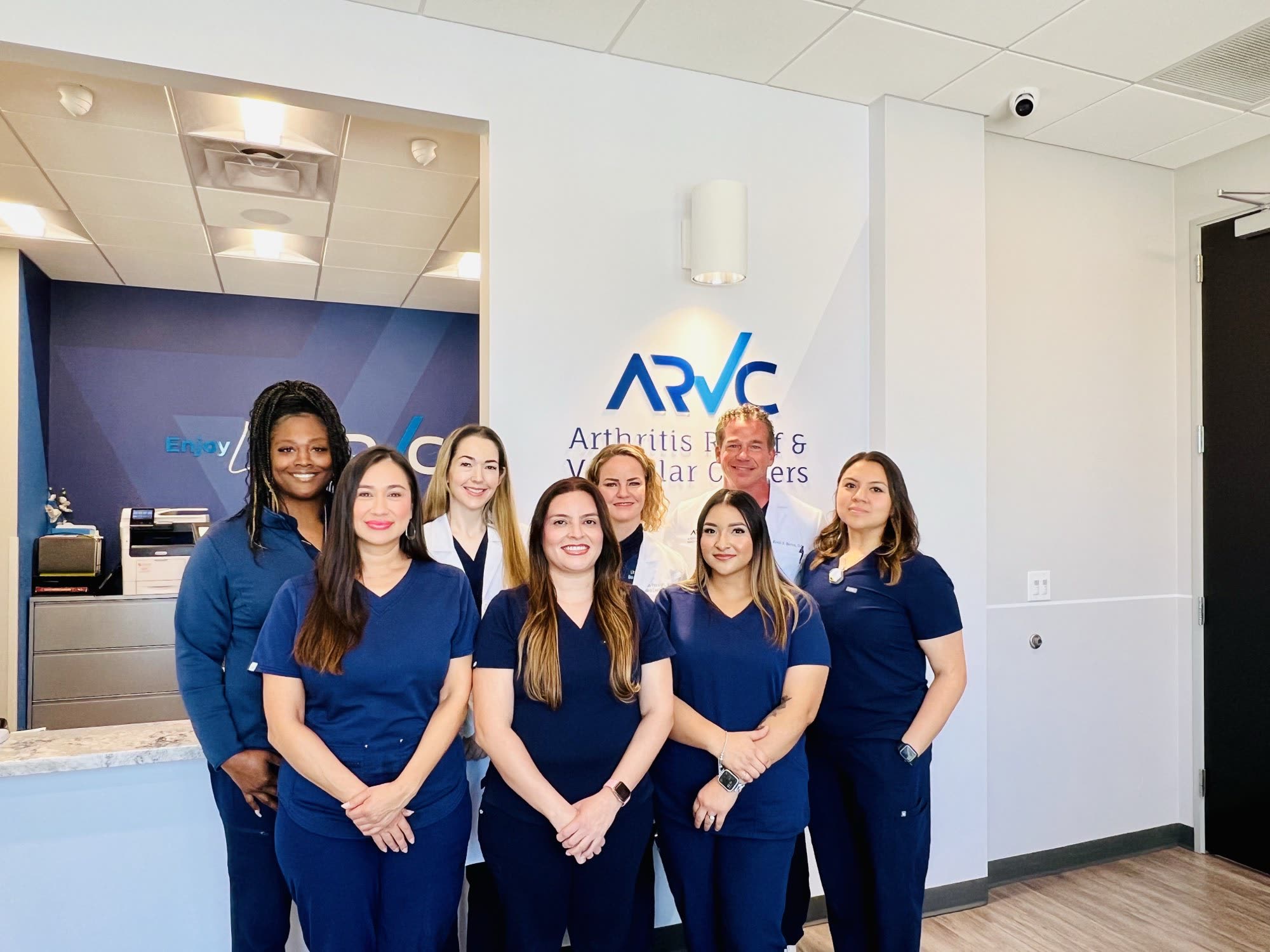
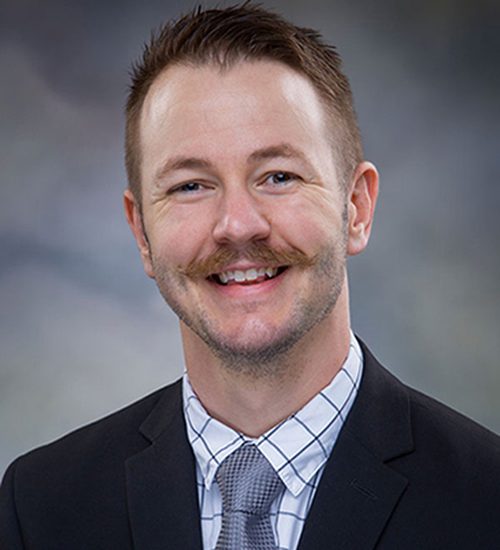
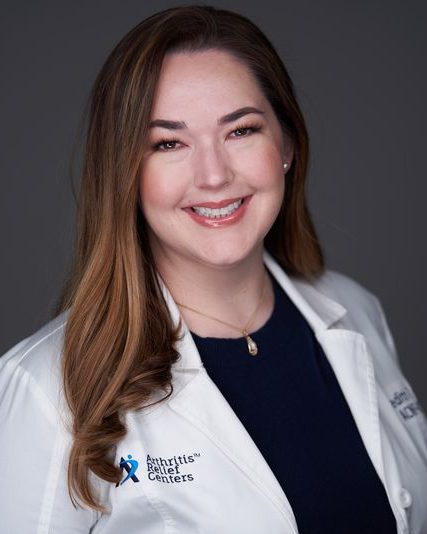
The clinical team at ARV Centers in San Antonio
ARV Centers, San Antonio The same team at your consultation, on your procedure day, and at your follow-up.

Where most people are when they find us

You were shown a picture of your joint and told what it means for the rest of your life.

You were offered one treatment, and it was the biggest one on the list.

You were told to wait — until it’s worse, until you’ve lost weight, until you’re older.

Or you tried something, it worked for a while, and then it stopped working and nobody had a next idea.

You’re not out of options. You were given half the list.

Minimal access

A pinhole, not an incision.

Most chronic pain and bleeding has a fuel line: abnormal blood vessels feeding the problem. Inflamed knees grow them. Fibroids live on them. Hemorrhoids swell from them. Through a pinhole in the skin — usually the wrist or the top of the thigh — an interventional radiologist threads a tube thinner than a phone charger cable into an artery, finds those vessels on a live X-ray, and blocks the blood supply keeping the problem alive. Nothing is cut. Nothing is removed. The tissue that was being fed shrinks and calms down.

That’s a different specialty from the surgeon or OB/GYN you’ve been seeing — different referral network, different conversation. Nobody hid this from you. But nobody handed you the whole menu, either. That’s the gap we exist to close.

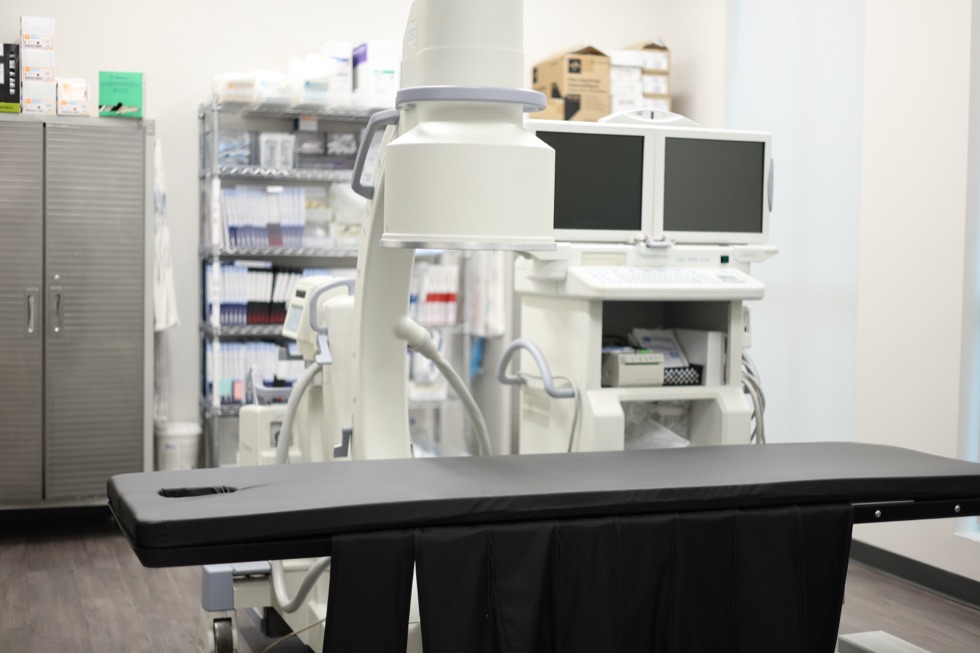
The interventional radiology suite at ARV Centers
Our own IR suite Your procedure happens here — in our office, not a hospital operating room.

That matters for the day itself. There’s no hospital admission, no general anesthesia for most of what we do, and no overnight stay. You arrive in the morning, you go home the same day, and recovery is usually measured in days rather than months.

What follows from it

What a smaller way in actually buys you.

Non-surgical isn’t a slogan here — it’s the design of the practice. These are the consequences of that design, in the order patients tend to feel them.

1. Non-surgical by design

This isn’t a surgical practice that also offers alternatives. Every treatment here is a non-surgical one — image-guided injections at one end, embolization at the other — and that is the whole lineup. When an operation is genuinely the better answer, we say so and point you to it rather than talk you out of it.

2. Minimal access

The way in is a needle or a pinhole in the skin — an image-guided injection at one end of the lineup, and at the other a catheter thinner than a phone charger cable, usually through the wrist or the top of the thigh. There is no surgical incision to heal and no tissue removed — at the end of most procedures there is nothing to close but a bandage.

3. Faster recovery

You go home the same day. Most people are back to ordinary activity in days rather than the weeks or months that follow major surgery — how many days depends on the procedure, and each procedure page gives you the real number, including the days that are genuinely uncomfortable.

4. Reduced risk

Going in small avoids a whole category of risk that comes with opening someone up: no surgical wound, no general anesthesia for most of what we do, no hospital admission, no overnight stay. That is not the same as no risk. Every procedure carries its own, and your doctor goes through them with you before you agree to anything.

5. A better day of it

No hospital registration desk, no ward, no team of strangers. You’re treated in our own IR suite by the people you met at your consultation, under twilight sedation rather than general anesthesia for the procedures that need it, and you go home the same day.

6. No bridges burned

Nothing we do takes an option off your table. Treating your knee here doesn’t close the door on a replacement later. Treating fibroids here means you keep your uterus. If you ever do need the bigger operation, it’s still there — you will simply have tried the smaller thing first.

What a consultation actually is

Your imaging, an exam, and a straight answer.

“Free consultation” has been used to mean “free sales pitch” often enough that the phrase has stopped meaning anything. So here is exactly what the visit is.

1. You call. No referral needed.

Your initial consultation doesn’t require a referral from another doctor — call 210-405-1335 or book online. Bring any imaging and reports you already have; if you don’t have them, we’ll help you get them.

2. A provider examines you and reads your imaging with you.

Not a coordinator, not a video. A provider takes your history, examines you, looks at your scans, and explains what they show in plain language — including the parts that argue against treating you here. Many people who are “bone on bone” have no pain at all: an X-ray shows what a joint looks like, not how it feels. So the exam and your story come first, and the imaging is read against them.

3. You get an answer, including “no.”

You’ll be told whether one of our procedures can help you or whether it can’t, what it would involve, and where your insurance stands — usually the same day. No same-day pressure — and any out-of-pocket cost is discussed with you before any procedure is performed.

Is this right for everyone? No. If surgery is genuinely your best option, we’ll say so — and nothing on this site says you must avoid it. What we do say is that you deserve to see the whole list before you choose from it.

Your care team

The people behind every one of these decisions.

Six providers, and you’ll meet more than one of them. Your workup starts with our pain-management specialists, whose background is musculoskeletal conditions. Embolization procedures are performed by our Board Certified Vascular and Interventional Radiologists. Our nurse practitioner handles exams and follow-up throughout. It’s a small enough team that the same faces carry you from the first consultation to the last follow-up.

Meet the whole team →

Patient stories

In their own words.

4.8 stars across 138+ Google reviews 5.0 on Tebra across 700+ reviews

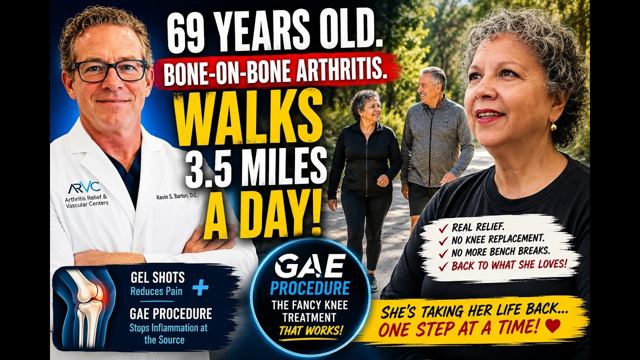
“I was so afraid that my next step would be surgery — but this worked so well that I’m no longer considering it.

— ARVC patient

“I’m 85 years old playing singles tennis.”
— ARVC patient
“They remember me by name… not just another patient, but family.”
— ARVC patient

Every patient’s story is their own. Results vary. Testimonials shared with patient consent.

Straight answers

Questions patients actually ask.

“How do I know this isn’t a sales pitch?”

Fair question — and the checkable answers are these: most of what we do is billed to your insurance, including Medicare and Medicaid. Every procedure is performed by a board-certified physician — our Vascular and Interventional Radiologists for embolization, our physical-medicine specialist for injections. We turn patients away when they’re not candidates. And any out-of-pocket cost is discussed with you before any procedure is performed — never after.

“Why hasn’t my own doctor mentioned this?”

Usually because it belongs to a different specialty. Interventional radiology sits outside the referral path most people travel from primary care to a surgeon or OB/GYN. It isn’t a secret — it’s a gap. That’s the whole reason this practice exists.

“Is this experimental?”

No. These are established, published procedures performed in interventional radiology suites around the world, and most are covered by insurance — which is itself a useful signal, since plans don’t generally pay for experiments. Each procedure page on this site lists the evidence behind it, including its limits.

“How many of these have you done?”

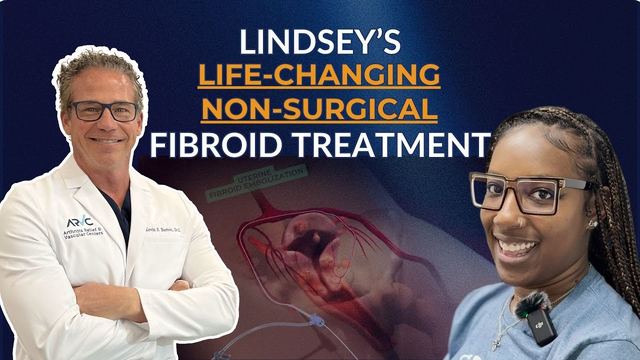
More than 700 genicular artery embolizations and more than 300 uterine fibroid embolizations here at ARV Centers — and it’s exactly the right question to ask any practice offering them.

“Who actually performs my procedure?”

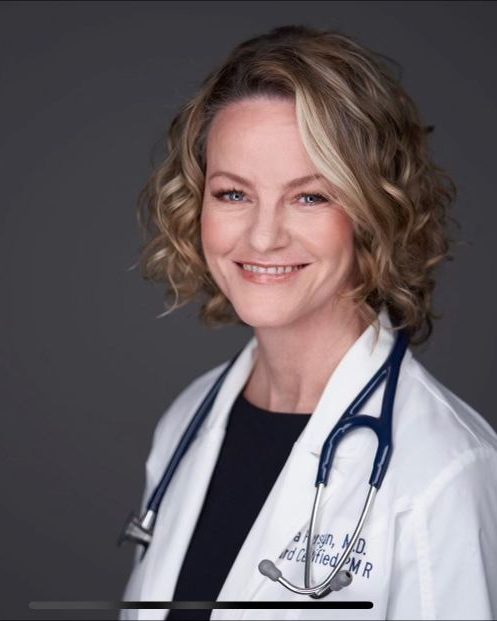
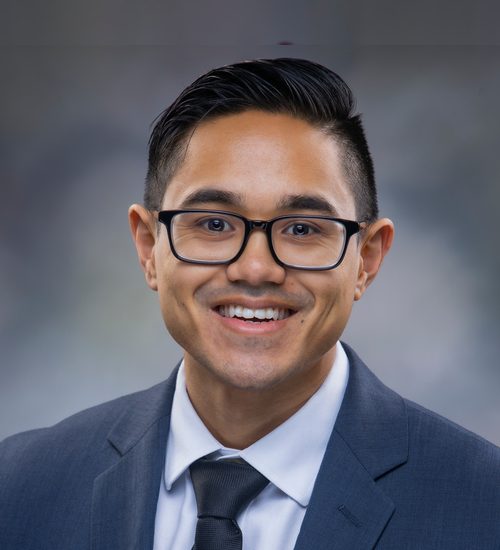
It depends on the procedure. Joint injections — viscosupplementation, PRP, and other image-guided injections — are performed by Dr. Persyn, with Meredith Reynolds handling evaluations along the way. Vascular procedures — knee, fibroid, adenomyosis, hemorrhoid, and shoulder embolization — are performed by our interventional radiology team: Dr. Al-Bayati, Dr. Joseph, or Dr. Chesley. You can meet all of them here.

“Is this covered by insurance?”

Most of what we do is, including Medicare and Medicaid, and we’re in-network with most plans. We do a complimentary benefits check before any procedure — usually with answers on the day of your consultation. See the plans we accept →

“Do I need a referral?”

Not for your initial consultation — call us directly. If your plan requires a referral or prior authorization for treatment itself, we’ll identify that during the complimentary benefits check and help you get it.

“What if surgery really is my best option?”

Then we’ll tell you, and we’ll tell you why. Nothing here says you must avoid surgery. It says you deserve to know every option before you choose one.

Free patient guide

Not ready to call? Take the guide instead.

Our free patient guides explain your condition, every treatment option — surgical and non-surgical — and the questions worth asking any doctor. Written by our physicians. No appointment required, and no follow-up phone call unless you ask for one.

We’ll email your guide plus occasional patient education. Unsubscribe anytime. Privacy policy.

Tell us what’s hurting. We’ll tell you if we can help.

Tell us what’s going on and a doctor will tell you whether one of our procedures can help — or whether it can’t. No referral needed for your initial consultation. We do a complimentary benefits check before any procedure, usually with answers for you on the day of your consultation. No sales pitch, no same-day pressure.

210-405-1335

Consultation hours

  • Monday–Thursday8:00–5:00
  • Morning · last consult11:30 AM
  • Afternoon · last consult4:30 PM
  • FridayProcedures only

Closed on major holidays.

3212 Napier Park, San Antonio, TX 78231

Get directions

Stand-in image (Map © OpenStreetMap) — the live site embeds the interactive Google map here

Schedule a consultation

No referral needed for your initial consultation.

Rather book by phone? Call (210) 405-1335.