
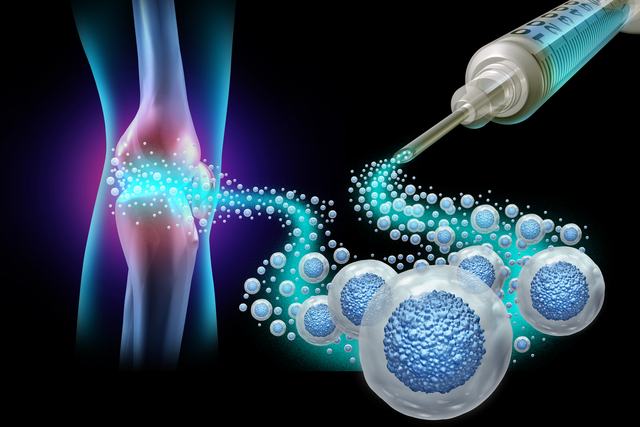
“I tried the shots. They didn’t work.”
We hear it in nearly every knee consultation, said flatly, as a closed question. Before you file injections under tried that, there is one thing worth knowing that almost nobody is told: a shot that misses the joint isn’t a weaker treatment. It’s no treatment at all.
And injections placed by feel miss more often than you’d ever guess.
What a “blind” injection is
Most knee injections in the United States are placed by feel. The doctor palpates the landmarks — the kneecap, the joint line — and advances the needle toward where those landmarks suggest the joint space should be. Doctors call this a blind, or landmark-guided, injection. It is fast and it needs no equipment.
An image-guided injection is the same medicine delivered with the needle’s position confirmed in real time — by live X-ray (fluoroscopy) with a small amount of contrast dye that shows the fluid spreading through the joint, or by ultrasound. You don’t assume the needle is in the right place. You watch it get there.
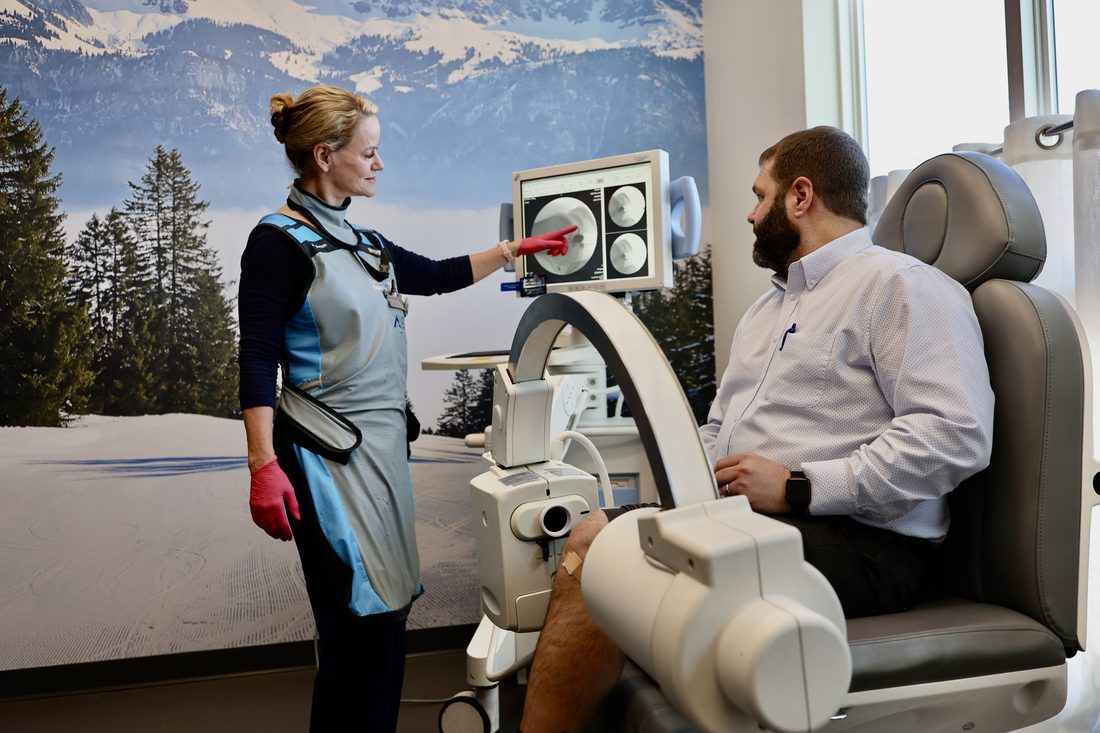
Up to 30% of blind injections miss the joint
That is not a marketing number. Research published in the Journal of Bone and Joint Surgery examined where needles actually end up when knee injections are placed by feel, and found that with the commonly used approaches, as many as 3 in 10 never reached the joint at all.
Nothing about that is the patient’s fault, and it isn’t really the doctor’s either. A knee is not a target you can see through skin. Landmarks shift with swelling, with body habitus, and — critically — with arthritis itself.
Why a miss means zero, not less
This is the part that changes how you should read your own history with injections, and it comes down to one thin layer of tissue.
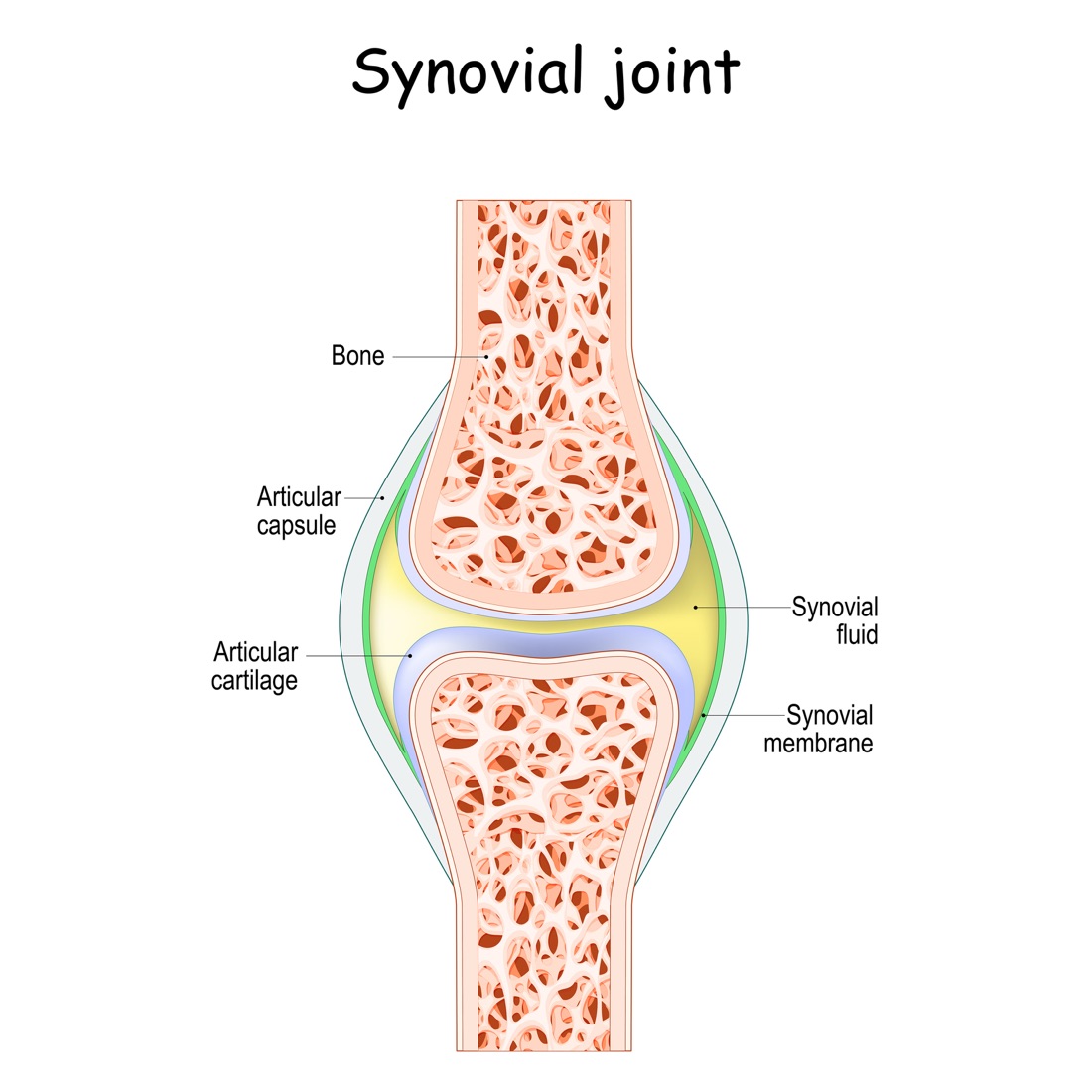
The joint is a sealed compartment. The synovial membrane lines it, and the space inside holds the synovial fluid that lubricates everything. Gel injections — hyaluronic acid, the same substance your synovial fluid is largely made of — are designed to go inside that compartment and mix with the fluid already there.
Hyaluronic acid does not cross the synovial membrane. It is a large molecule. Deposited outside the capsule — in the fat pad, in the soft tissue, in the muscle — it simply sits there. It cannot seep in. The joint never receives it.
A gel injection that missed didn’t give you a smaller benefit. It gave you none — and then it told you gel injections don’t work for you.
That is the quiet tragedy of blind injections in this specific treatment. A patient gets a series of three, feels nothing, and reasonably concludes the treatment is useless. What actually happened may be that the medicine was never delivered.
Why it goes wrong most often in the knees that hurt most
Injection accuracy falls as the anatomy gets harder — and hard anatomy is precisely what advanced arthritis produces.
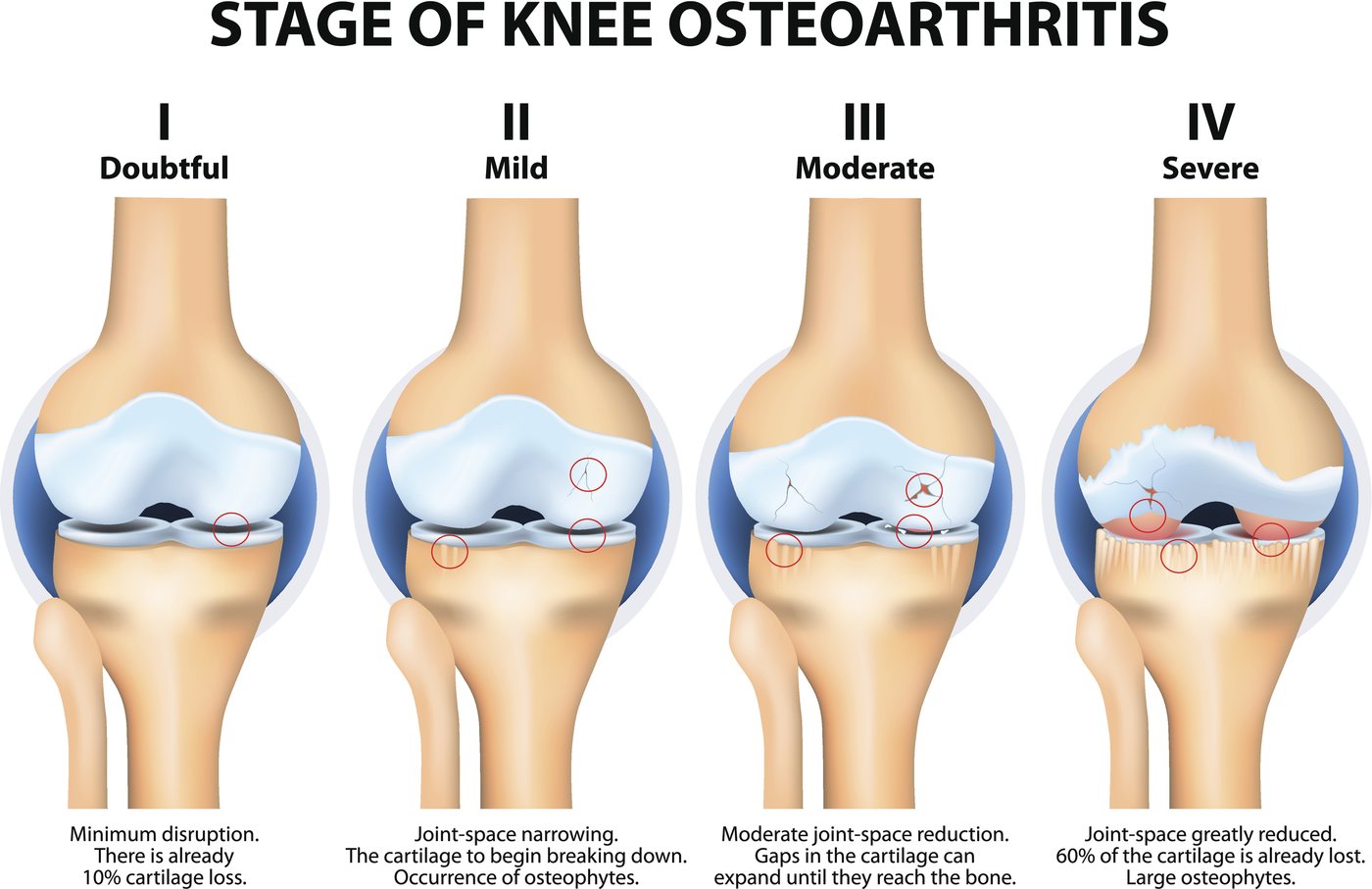
- The joint space narrows. The target you are aiming for physically gets smaller as cartilage is lost.
- Bone spurs distort the landmarks. The bony edges a doctor palpates to orient the needle are no longer where they used to be.
- Swelling and body weight bury the landmarks. Both make it harder to feel anything reliably from the outside.
Which means the knees least likely to receive an accurate blind injection are the same knees that have run out of other options and need the injection most.
What 100,000 injections teaches you
Dr. Lisa Persyn has performed more than 100,000 knee injections over the past decade. Nearly all of them under live imaging.
That is not a career total spread thinly across ten years. On a busy day she has done more than 120.
Her own estimate of what would happen without it: she would be off target 15 to 20% of the time — and that is with ten years and six figures of repetition behind her hands. On a normal clinic day she has to redirect the needle on several patients: the first position looks right, the contrast says otherwise, the needle moves, and only then does the gel go in.
Nobody feels that correction from the outside — including the doctor making it. It only happens because somebody is watching a screen.
That is the whole argument in one sentence. Not that our medicine is different. That we watch it arrive.
So do gel injections work for everybody?
No. And we’d rather say that plainly than have you find out on your own.
For a great many knees, accurately placed gel injections give real relief, repeated when appropriate, for years. For some knees they help for a while and then plateau. For others the relief gets shorter with each series until it isn’t worth doing. And for some, even perfectly delivered, they aren’t enough from the start.
That is not a failure and it is not the end of the list. It is the point where the second rung exists.
When injections stop being the answer
Genicular artery embolization (GAE) treats something injections don’t reach: the abnormal blood supply feeding the inflamed joint lining that generates much of arthritis pain. Through a pinhole in the upper thigh, no incision, home the same day — and it closes no doors on anything else.
It is the natural next step for exactly the patients described above: the ones whose gel injections worked and stopped, plateaued, or never quite got them there. Here is the plain-English explanation.
The question to ask
If you’ve had knee injections that didn’t help, ask whoever gave them one question: was it image-guided?
If the answer is no, you don’t actually know whether gel injections work for your knee. You know that one attempt, placed by feel, didn’t. That is a completely different fact — and a far more hopeful one.
Many of our patients have gotten years of relief from injections that “stopped working” somewhere else. Same medicine. Different delivery.
Read more about our image-guided gel injections, or book a consultation and bring your imaging.
Written and reviewed by the physicians of Arthritis Relief & Vascular Centers. This article is general health education, not medical advice, and reading it does not create a doctor–patient relationship. Every case is different — talk with a physician who has seen your imaging and examined you before making a treatment decision. If you are having a medical emergency, call 911.